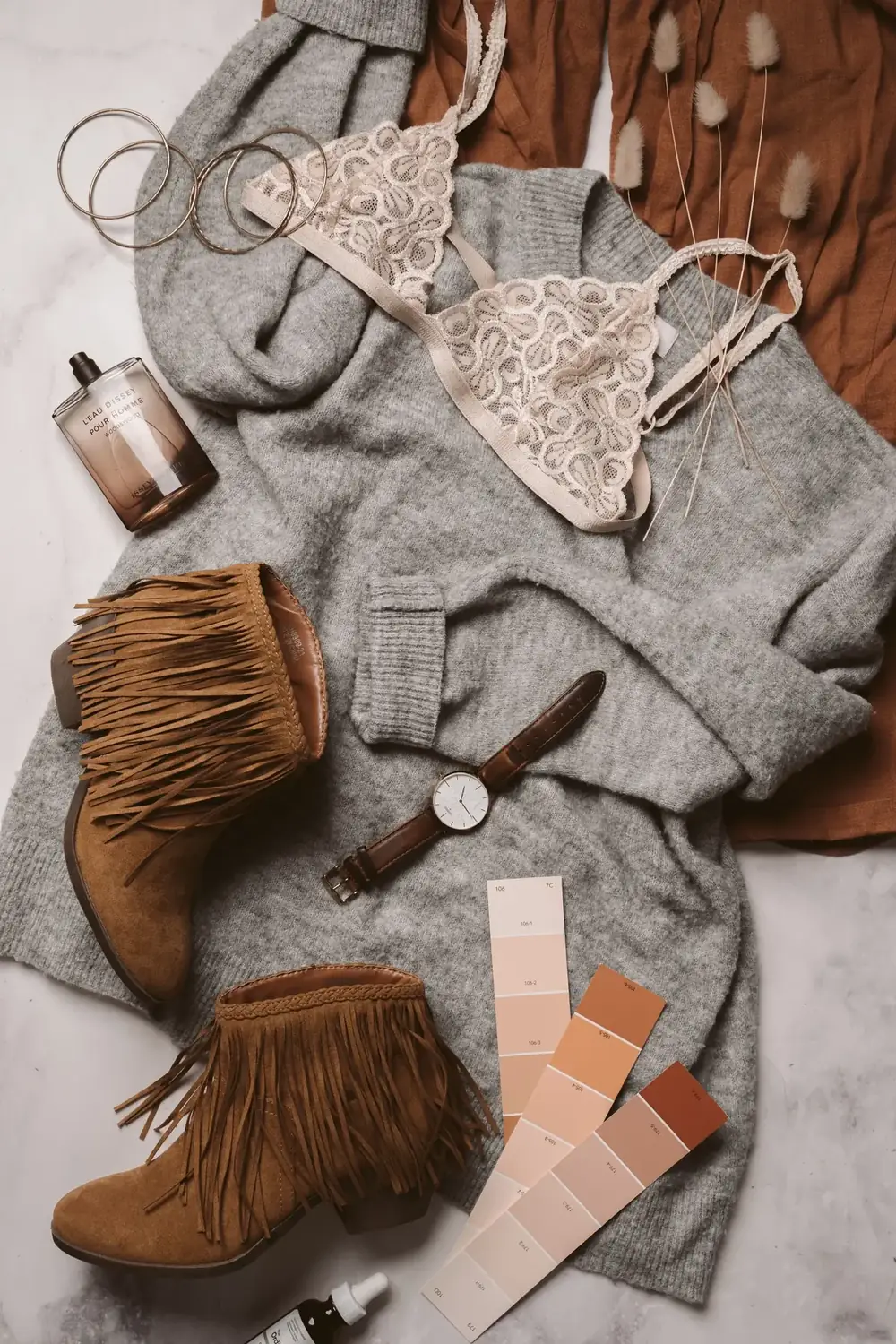
"Training bra" describes what it's used for; "bralette" mostly describes the style. A lot of first bras are actually bralettes. Instead of treating these like opposite choices, compare the actual band, straps, coverage, and sizing.
What matters most
- What it's actually for, and what your kid prefers
- Coverage and how the front is built
- How stable the band and straps are
- What sizing system it uses
- Whether it suits the activity level it'll be used for
Why these terms blur together
Stores use "training bra," "starter bra," "first bra," and "bralette" pretty inconsistently. A soft pullover bralette might be sold specifically as a first bra. Another bralette might be an adult fashion piece sized completely differently. The label alone doesn't tell you if it's right for a particular kid.
Training bra as a category
Training bras are usually marketed for early bra wear, focused on coverage, simple construction, and comfort. They don't "train" anything or change how a body develops — that's just the name. What actually matters is the same stuff that matters everywhere: sizing, fabric, band, straps, and what it's used for.
Bralette as a style
Bralettes are usually wireless and pretty soft, without much structure. They can pull on or have closures, be padded or not, plain or decorative. A bralette can make a great first bra as long as the size and construction actually suit your kid.
Neither guarantees sports support
"Training bra" and "bralette" don't automatically mean a bra can handle running or jumping. For real sports, check sports-specific products instead. A bralette might be great for school while a sports bra handles practice.
A better question to ask
Instead of "training bra or bralette?" try: Is it easy to put on? Does it match current measurements? Does the band stay level? Are the straps comfortable? Is the coverage right? Does it work under their clothes? Those questions matter no matter what the label says.
Quick summary
| Training bra | Bralette | |
|---|---|---|
| What it means | Early bra-wearing category | A garment style |
| Wire | Usually wireless | Usually wireless |
| Padding | Padded or unpadded | Padded or unpadded |
| Closure | Pullover or back closure | Pullover or back closure |
| Guaranteed sports support | No | No |
Mistakes worth avoiding
- Assuming bralettes are only for grown-ups or fashion
- Assuming any training bra will work fine for sports
- Picking by the label instead of the actual construction
- Using adult sizing without checking real measurements
- Treating a first bra like a milestone instead of just a comfort choice
Always finish with the 5-point fit check
Whatever you pick, the real test happens once it's actually on: the band stays level, the straps stay put without digging in, the front sits comfortably, it stays stable when moving, and your kid isn't thinking about it. A size chart gets you close — it doesn't guarantee the fit.
What to read next
Shopping checklist for Training Bra vs Bralette
Before you buy, jot down current underbust and bust measurements, what it's mainly for, how much coverage is wanted, and anything that's felt comfortable or annoying in past bras. Then open that specific brand's current size chart — don't assume a size from another brand or a clothing size will carry over.
When it arrives, keep the tags on until you've checked the fit, so it can still be returned if needed. Test the band, straps, and front while standing, sitting, and raising the arms — and if it's for school or sports, test it doing that too. A bra can look perfect on paper and still be the wrong shape for a particular body.
Frequently asked questions
Does the label tell me it's the right bra?
Not on its own. Words like training bra, bralette, sports bra, seamless, padded, or cotton only describe part of the bra. You still need to check fit, how it'll be used, and what it's made of.
If it moves around, should I just go down a size?
Not automatically. Movement can come from a loose band, the wrong style, stretched-out elastic, or the straps needing adjustment — not just the size. Check that brand's chart and run the 5-point fit check before changing sizes.
How do I know if I need a different style, not just a different size?
If the right size still causes rubbing, pressure, slipping, gaping, or constant fidgeting, that's usually about construction, not measurements. Try a different strap, band, closure, fabric, or support style instead of forcing the same design to work.