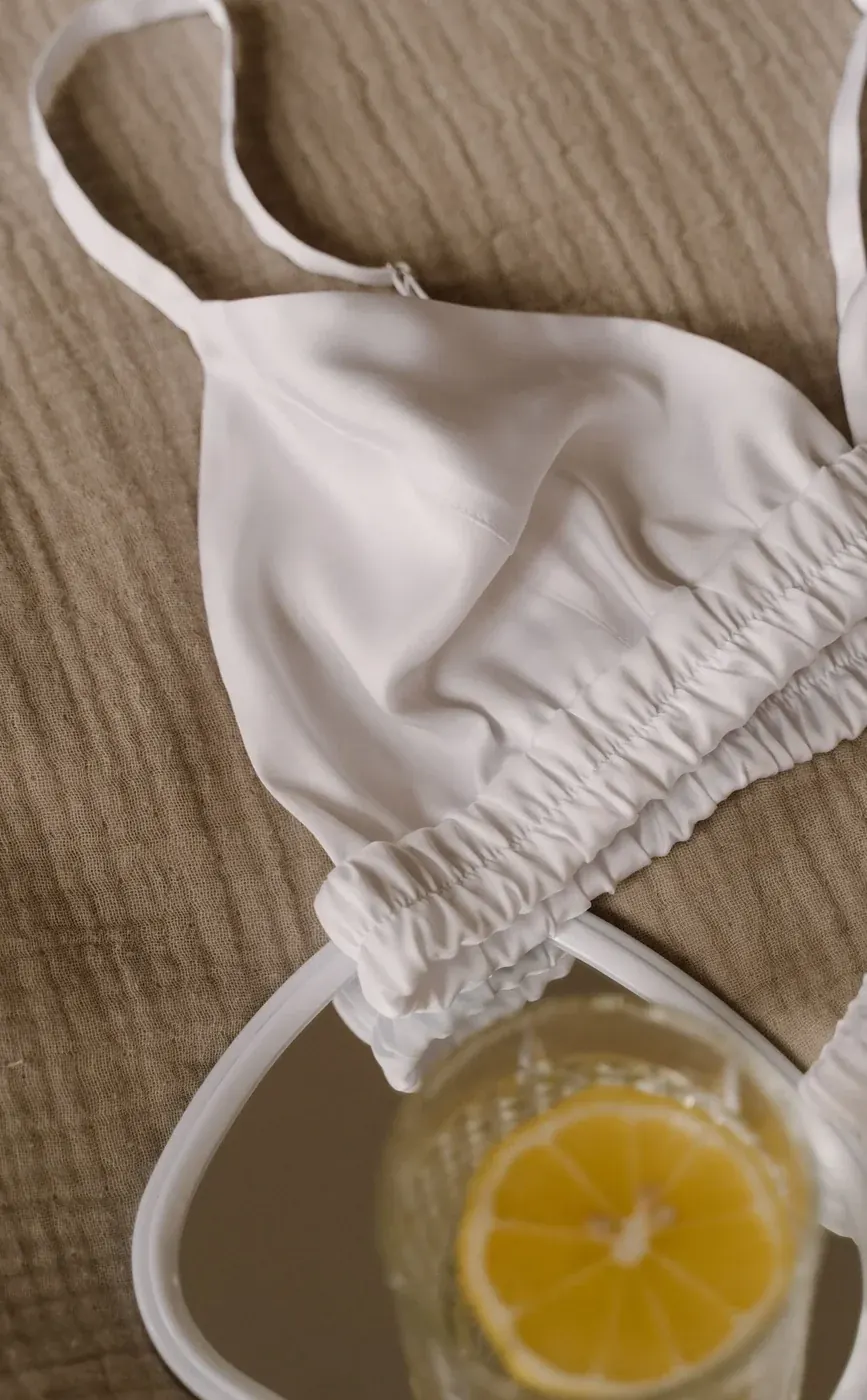

Treat this like any other clothing decision: listen first, bring a couple of decent options, keep it private, and let your kid have the final say.
The one thing to remember
Ask “Would you like to try one?” Don't decide for them that a certain age means it's time.
Starting the conversation
Keep it low-key. Comfort under shirts, gym class, sports, or just having the option — any of those is a fine reason to bring it up. Just don't comment on their body or compare them to a sibling or friend.
Something you could say
“If you'd like, we can look at a few soft bras or sports bras and see if any feel more comfortable.”
Let them make the calls
Online or in-store, whether you come into the fitting room, padded or not, which colors — let your kid decide on all of it where you can. They're the one wearing it. Their comfort matters more than what you'd pick.
Respect how they want to handle it
Some kids are fine treating this as a small milestone. Others really don't want it mentioned to anyone. Follow their lead instead of assuming it's something to celebrate out loud.
Start small
One or two bras is plenty to figure out what actually works. Shop somewhere with easy returns, and don't stock up on a size you haven't tested yet.
Help without hovering
Show them the basics — the band should sit flat, straps shouldn't dig in, the front should sit smooth, nothing should ride up when they move — then let them tell you what feels right. Help if they ask. If they'd rather handle it themselves, point them to the size chart and let the return policy do the work instead of inspecting the fit yourself.
A few things to avoid
- Comparing their development to a sibling's or friend's.
- Insisting a bra is "required" just because of their age.
- Teasing, even lightly, about body changes.
- Buying something more structured than they need because it looks more "grown up."
- Treating a wrong first size as a mistake rather than just something to exchange.
When this isn't really a clothing question
Normal breast development can be uneven and sometimes tender during puberty — the American Academy of Pediatrics notes this is common. If something feels like a health concern rather than a fit or comfort issue, that's a conversation for a pediatrician, not something to solve by trying different bras.
For dads and other caregivers
You don't need to have worn a bra yourself to be genuinely helpful here. You can still make the shopping trip happen, guard their privacy, find sizing info that's actually accurate, and let your kid tell you what feels right. If they'd rather have another trusted adult handle this part, that's a fine outcome too — support it.
Don't let money turn into pressure
If budget is a real factor, just say so plainly and pick options together. A first bra doesn't need to be expensive — one or two that actually fit well beat a drawer full of cheap ones that don't.
Expect to do this again
Early bras get outgrown fast — from growth, wear, or just changing what feels comfortable. Keep the receipts, and don't guess out loud about how quickly your kid's body will change. Nobody can predict that from age alone.
Questions parents actually ask
Should I just surprise my kid with a first bra?
Better not to. Let them have a say in style and size — a surprise only really works once you already know what they like and what fits.
What if they only want sports bras?
That's completely fine. If a sports bra is comfortable for daily wear, there's no reason to push a different style just because of the name.
What if we disagree about padding?
Ask them why first. Coverage, what shows under a shirt, or just how it feels against their skin are all real reasons — not something to argue over as if it's a bigger deal than a clothing preference.
Sources and editorial context
- American Academy of Pediatrics / HealthyChildren.org — Physical Development in Girls: What to Expect During Puberty
- Nemours KidsHealth — Breasts and Bras
Editorial note: Developmental information is attributed to pediatric sources. Garment and shopping guidance is educational and based on clothing fit principles rather than medical claims.