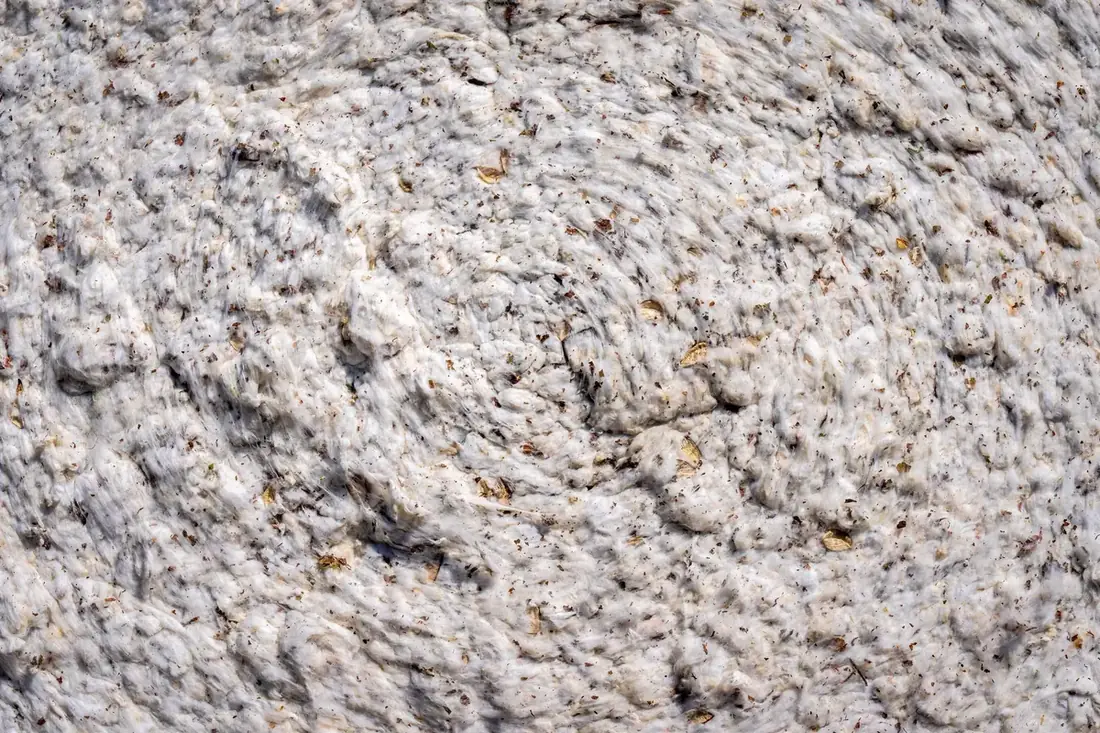
Cotton is a natural fiber that shows up in a lot of soft first bras. Most "cotton bras" aren't actually 100% cotton — they add a bit of elastane or another stretch fiber so the bra bounces back into shape instead of going baggy.
Cotton alone doesn't guarantee comfort
The fabric matters, but so do the seams, the elastic, and the knit. A rough seam on a cotton bra can end up less comfortable than a smooth synthetic one.
Why cotton bras still have stretch fiber in them
A bra has to stretch to go on and move with the body, then bounce back into shape. Cotton by itself isn't great at bouncing back, so a small amount of elastane or spandex is usually added.
Good for everyday and school
Cotton-heavy bras are popular for everyday wear because they feel familiar and don't look shiny. They can work fine under school clothes as long as the construction is smooth enough.
Less ideal for intense sports
Cotton soaks up sweat and stays damp longer than a lot of synthetic fabrics. For higher-intensity sports, something designed to dry faster might be more practical.
Care and how long it lasts
Heat and rough drying can wear out the elastic in cotton blends faster. Follow the care label — and if a bra's gotten stretched out, it's usually better to replace it than to keep tightening the straps.
Quick summary
| Question | Short answer |
|---|---|
| Good for | Everyday wear or first bras, if this fabric matches what your kid needs |
| Check before buying | That brand's own size chart, plus how it's actually built |
| Don't assume | The fabric name alone means it'll be comfortable or fit right |
| Test once it's on | Band, straps, front, movement, and comfort |
| Also worth checking | How it'll actually be used, and how it's constructed |
Mistakes worth avoiding
- Picking a bra just because of the fabric name, without checking the actual product
- Assuming a fabric automatically means good fit
- Not checking how it looks and feels under the clothes it'll actually be worn with
- Buying several at once before trying just one
- Keeping a bra after it clearly stops fitting right
Always finish with the 5-point fit check
Whatever fabric you pick, the real test happens once it's actually on: the band stays level, the straps stay put without digging in, the front sits comfortably, it stays stable when moving, and your kid isn't thinking about it. A fabric or size chart gets you close — it doesn't guarantee the fit.
Where to go next
Shopping checklist for Cotton Training Bras
Before you buy, jot down current underbust and bust measurements, what it's mainly for, how much coverage is wanted, and anything that's felt comfortable or annoying in past bras. Then open that specific brand's current size chart — don't assume a size from another brand or a clothing size will carry over.
When it arrives, keep the tags on until you've checked the fit, so it can still be returned if needed. Test the band, straps, and front while standing, sitting, and raising the arms — and if it's for school or sports, test it doing that too. A bra can look perfect on paper and still be the wrong shape for a particular body.
Frequently asked questions
Does the fabric name tell me it's the right bra?
Not on its own. Words like training bra, bralette, sports bra, seamless, padded, or cotton only describe part of the bra. You still need to check fit, how it'll be used, and how it's built.
If it moves around, should I just go down a size?
Not automatically. Movement can come from a loose band, the wrong style, stretched-out elastic, or the straps needing adjustment — not just the size. Check that brand's chart and run the 5-point fit check before changing sizes.
How do I know if I need a different style, not just a different size?
If the right size still causes rubbing, pressure, slipping, gaping, or constant fidgeting, that's usually about construction, not measurements. Try a different strap, band, closure, fabric, or support style instead of forcing the same design to work.