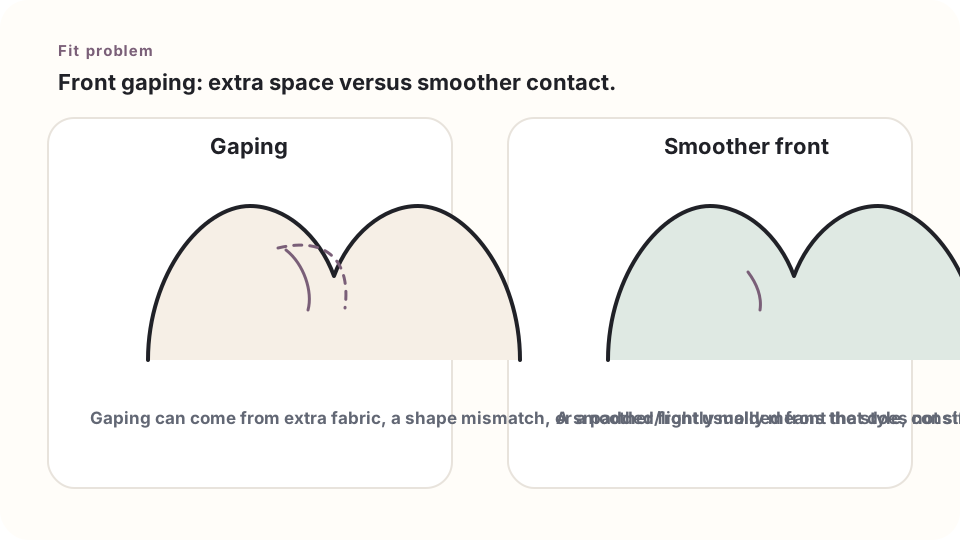
Gaping just means the fabric isn't following the body in some spot. Sometimes that's a size issue. Sometimes the shape is simply the wrong match, no matter the size.
Quick check
Make sure it's positioned right and the straps are adjusted, then run the 5-point fit check. After that, compare current measurements to that brand's chart.
What usually causes it
- The bra is bigger than what actually fits right now.
- A molded or padded cup holds its shape even when there's nothing filling it.
- The shape just doesn't match this particular body.
- The straps or the bra itself aren't positioned right.
What to try
Start by positioning it properly and adjusting the straps normally. Still gapping? Compare the measurements to the brand's chart. If the size looks right on paper but it still gaps, try a softer, unpadded, seamless, or differently shaped style — don't just assume they need to "grow into" it.
It doesn't need to look the same on both sides
Uneven development is completely normal. The goal is comfort that actually works, not making both sides look identical.
Padding can make a gap look worse
Removable or molded pads hold their own shape even when the body underneath doesn't fill them out. If the bra itself feels fine but the pad edge shows a gap, try it without the pads (if they're removable), or try a softer, unpadded style instead.
Check it under actual clothes
A little bit of extra fabric doesn't matter if the bra feels good and doesn't show under whatever it's actually worn with. The goal is comfort, not a perfect fitting-room mirror check.
Next step
Still stuck? Head back to Fit Problems or try the Size Assistant for what to do next.